
Discover how squatting can impact lower back pain and explore proven tips for relief and prevention. Read the article for practical insights.
The Connection Between Squatting and Lower Back Pain
Squatting is a fundamental movement that we use every day and in our fitness routines. Squatting involves a lot of muscles throughout the lower body and core from the time you sit down to the time you pick up an object.
Although it is commonly revered for its leg strengthening, ankle mobility, and functional movement-enhancing benefits, it can be a little more complicated when it comes to the lower back.
If you wonder does squatting lower back pain, the answer is yes!
Squatting is a double-edged sword for anyone with lower back pain. Done correctly, with proper conditioning, squats can help build strength in the muscles surrounding the lumbar spine. But, they can also put increased stress on your lower back from poor form, too much load, or pre-existing conditions like herniated discs or lumbar instability.
Not only does squatting affect proper body mechanics, but it also affects other factors such as movement patterns as well as joint alignment. Knowing how squatting relates to the lower back will help people decide to include it in their routine or make changes to it. Here is everything you need to know!
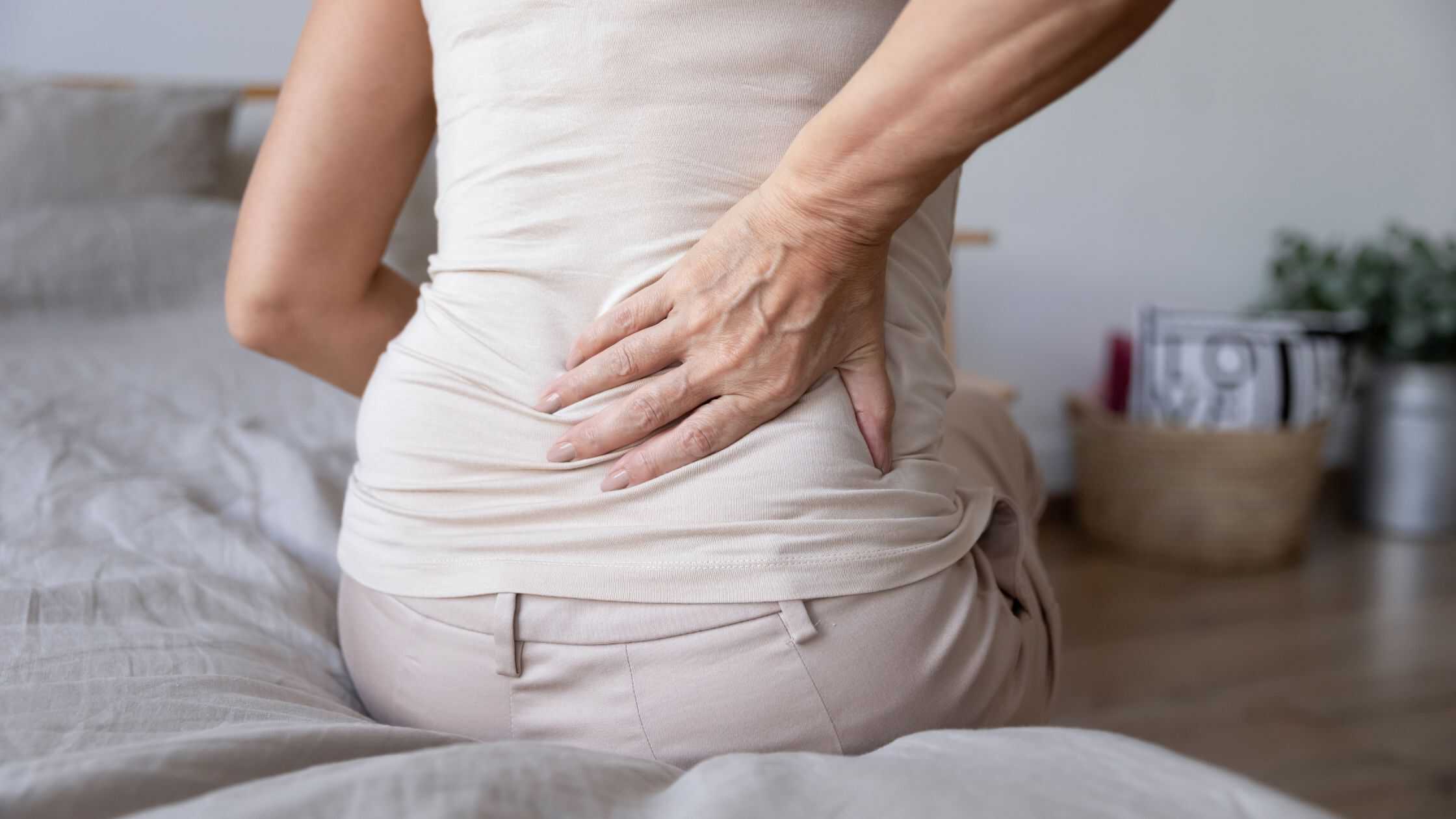
Common Causes of Lower Back Pain During Squats
Here are some common causes:
Poor Hip and Ankle Mobility as a Factor
Squats can be forced into using the lower back to compensate if you have limited mobility in the hips or ankles. It normally results in improper spinal alignment creating excess strain on the lumbar region. If the hips and ankles aren’t flexible you can’t squat deep enough, or with the right alignment, which puts your lower back under too much stress.
Weak Core Muscles Leading to Pressure on the Spine
Keeping your spine stable during squats is important and you need a strong core. A failure in the stability of the spine to stay upright under load has been attributed to weak lower back and abdominal muscles, which fail to adequately support the spine. It also makes pain and injury more likely (especially with heavier lifting).
Using Too Much Weight or Incorrect Squat Form
Too often lifting more weight than the current body weight can handle leads to compromised form, which results in improper mechanics and too much pressure on the lower back. The most common errors are either leaning too far forward, letting the knees cave in, or not holding a neutral spine. These mistakes increase stress on the lumbar spine and increase the chance of pain or injury.
How Common Squat Mistakes Increase the Risk of Injury
Lower back strain is often made worse by simple errors in technique, like not engaging the glutes, rounding the back, or not keeping the chest up. Not only do these mistakes prevent the exercise from being as effective as they could be, but they also pile more pressure on the spine and surrounding muscles than necessary, making injury more likely to occur with poor hip mobility.
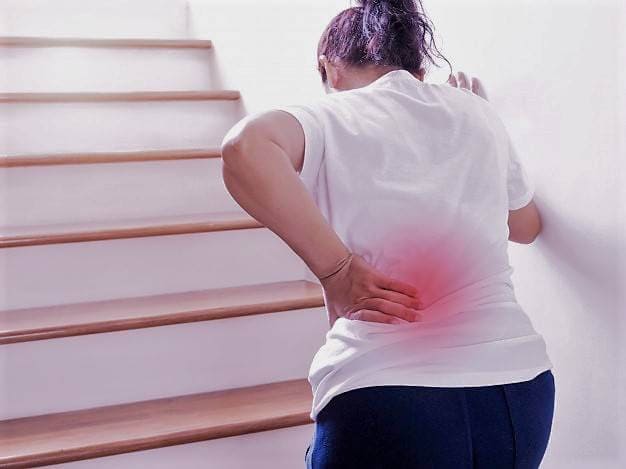
Why Proper Form Is Essential for Pain-Free Squatting
The squat technique is a great exercise, but it has to be done properly, or else you can end up with lower back pain.
The Role of Proper Squat Form in Preventing Lower Back Pain
Keeping the correct squat form keeps weight distribution even around the body, which protects the lower back. When the squat is well-executed, the spine is kept neutral, reducing stress on the vertebrae and surrounding muscles. Rounding the back, going too far forward, etc., are things that put pressure on the lumbar region and cause such aches or problems.
Aligning Knees, Toes, and Feet Facing Forward for Stability
Proper alignment of the knees, toes, and feet is essential for maintaining balance and stability during a squat. Feet should remain shoulder-width apart with toes slightly angled outwards, while knees should track over the toes throughout the movement. The knees caving inward or outward is misalignment which causes uneven pressure on the joints and puts the lower back at risk for strain.
Engaging Core Muscles and Hip Flexors to Protect the Lumbar Spine
Having a strong core will act as a stabilizer for your spine so that you won’t arch or round your back excessively during squats. To activate the core and hip flexors properly, it makes sure that the entire motion is supported and aligned by the lumbar spine.
The stiffness in these muscles can also help improve overall control, allowing you to keep the correct posture, maintain proper form, and prevent compensatory movements which can put a strain on the back.
Squat Variations to Relieve Lower Back Pain
For those with lower back pain, taking a traditional squat and modifying it can offer the same strength and mobility training. By choosing the correct variation you can take the strain off the lumbar spine and concentrate on good form.
Bodyweight Squats: A Low-Impact Starting Point
For people with lower back pain, bodyweight squats are a great place to start. This variation doesn’t have the added strain of weights, so you can concentrate on getting your form right, engaging the core, and increasing flexibility. These squats will help you build a strong foundation and then let you progress to more advanced movements without the potential of injury.
Goblet Squats for Safer Weightlifting
These squats are different because you’ll hold a single dumbbell or kettlebell close to your chest which will act to shift the weight forward and relieve the pressure from the lower back. In a slight variation, this encourages better posture, improved balance, and deeper squat depth, making it a safer way to build strength for those dealing with lower back pain.
Exploring Different Squat Variations to Work Targeted Muscle Groups
Incorporating different squat variations can target specific muscle groups while reducing stress on the lower back:
- Split Squats: Split squats are a great way to isolate one leg at a time and hit the quads and the glutes without much load on the lumbar spine.
- Box Squats: These are squats with a box or bench, limiting the depth while adding support to minimize strain to the back.
- Sumo Squats: In a wider stance to work the inner thighs and glutes, sumo squats turn the stress away from the lower back.
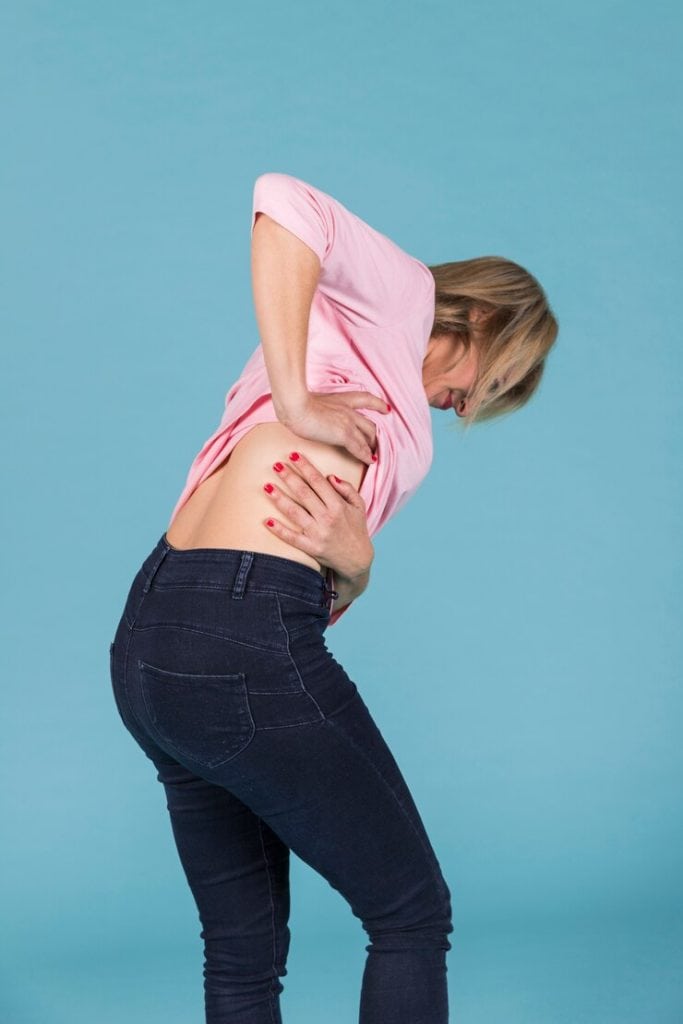
Tips to Avoid Lower Back Pain While Squatting
Gradually Build Weight Lifted to Reduce Risk
Use small weights and begin with what you can. Lifting too much weight too soon can also cause injury to the lower back.
Strengthen Core and Back Muscles
quats stabilize the spine due to a strong core and lower back. To build this support, and thereby reduce the risk of pain, you can do exercises like planks and back extensions.
Improve Mobility in Joints
If your hips or ankles are tight, this can force compensatory movements which strain the lower back. Optimizing squat mechanics and decreasing discomfort make stretching and mobility work.
Use Physical Therapy if Necessary
An exercise that is too difficult, or done with bad form, or that doesn’t address underlying weaknesses, can cause pain.
When Squatting Causes Back Pain: What You Need to Know?
Squatting can be a source of back pain, here is when:
- How Squats Worsen Pain: Squats can aggravate lower back pain instead of relieving it if underlying issues such as limited mobility, or weak core muscles aren’t addressed.
- Poor Form and Previous Injuries: Rounded or arched back posture is incorrect and leads to lumbar strain. Pre-existing back injuries increase the risk further.
- Signs of Using Too Much Weight: Overloading or incorrect movement patterns often cause pain or discomfort while or after squatting. There is an adjustment of weight and form to avoid injury.
Working with Experts to Prevent or Treat Squat-Related Pain
When you’re doing squats, professional guidance guarantees that squats are done safely and correctly.
Alternatives to Back Braces for Sciatica Pain Relief
There are more ways to relieve sciatica than just back braces. A well-rounded approach can be had by exploring alternatives like:
Consult a Physical Therapist
A therapist can fix form issues and suggest custom exercises, and most importantly can help you deal with pain.
Work with an Exercise Physiologist
Biomechanics and proper squat technique and alignment are advised by an exercise physiologist.
When to See a Healthcare Provider
Seek medical attention especially if your back pain is persistent or severe because you could risk further complications and you won’t heal properly.
How Squatting Can Help Alleviate Lower Back Pain
Squats can strengthen muscles that support your body and enhance mobility, thus decreasing pain in your lower back when you do them the right way.
Build Strength to Relieve Spinal Pressure
Squats work the core, glutes, and hamstrings, giving your spine support and relieving lumbar strain.
Improve Circulation and Reduce Pain
Proper squatting also encourages blood flow which is great for helping reduce inflammation and recover from back pain.
Enhance Daily Mobility
Squats help improve flexibility and strength in the key joints so that we don’t strain the back when doing daily activities.
Preventing and Managing Lower Back Pain from Squats
While squats can be rather painful, pain may be prevented through proper training techniques and management.
Avoid Common Mistakes
To not injure yourself, support a neutral spine, keep an engaged core, and load the bar as efficiently as possible.
Use Therapy and Pain Management Techniques
Persistent pain can be treated with physical therapy and anti-inflammatory measures and underlying issues resolved.
Progress Gradually
The more weight you increase and the more intense you work out, the more you change your body to adapt, taking the chance of strain and injury out of the equation.
Final Thoughts: Does Squatting Help or Hurt?
Lower back pain can either be helped or made worse by squatting, depending on how you do it. To get pain-free squats you need to have proper technique, manageable weights, and good mobility.
The squat engages the spine the least, therefore having a strong core and flexible hip flexors can be greatly supportive, especially to the spine, and reducing the strain the spine feels with a squat.
When it comes to long-term pain relief, professional guidance will help you squat safely and address your underlying issues to help you get rid of the pain.
FAQs
Q: Does squatting always cause lower back pain?
A: No, squatting does not have to cause lower back pain, as long as you’re doing them with good form and good mobility. Pain is usually caused by weak core muscles or poor technique.
Q: How much weight should I lift when squatting to avoid back pain?
A: Begin with bodyweight squats or lightweight, and work your way up as your core and back strength comes on. You don’t want to lift too much weight too soon, as this can put a strain on the lumbar spine.
Q: What can I do if I feel pain during squats?
A: If you can’t do the exercise, stop and assess your form. If you are experiencing pain, consult a physical therapist to see if you have any issues.
Q: Are there squat variations safer for those with lower back issues?
A: For beginners or people recovering from back pain, goblet squats and other bodyweight squats are the safer option. They build strength without increasing spinal pressure.


