Can resistance bands cause neck pain? They can, especially if you’re using improper techniques or have bad posture. This article explores how such issues can lead to neck discomfort and offers tips to ensure you use resistance bands safely and effectively.
Key Takeaways
- Improper technique, poor posture, and inadequate warm-up routines are primary contributors to neck pain when using resistance bands.
- Maintaining correct posture and form, selecting appropriate resistance levels, and incorporating warm-up and cool-down routines are essential for safe resistance band workouts.
- Certain exercises, such as behind-the-head pulls and overhead presses, should be avoided to prevent exacerbating neck pain, while scapular retractions and lateral band walks can provide relief.
Understanding Neck Pain from Resistance Bands

Experiencing neck pain may come as a surprise side effect of employing resistance bands, which is frequently due to incorrect usage or suboptimal posture. While these bands can provide a reliable method for bolstering muscle strength and endurance when utilized appropriately, incorrect application might cause considerable distress in the neck and shoulder regions.
It’s crucial to use resistance bands properly in order to prevent injury. Practicing safe methods and adhering to correct posture significantly reduces the risk of experiencing neck pain. Being aware of these potential hazards prepares you for an exercise routine without discomfort.
Common Causes of Neck Pain with Resistance Bands
One of the primary culprits behind neck pain during resistance band workouts is inadequate posture. This can lead to imbalances in muscle strength and alignment issues within the skeleton, which often results in aching and discomfort in the neck area. Issues such as forward head posture and shoulders that round forward are common postural problems that intensify strain on the neck.
Specific exercises involving resistance bands—such as pulling them behind one’s head—can add excessive pressure on the neck muscles. Maintaining proper posture while avoiding these risky maneuvers can alleviate potential problems. Making ergonomic improvements to your workspace can significantly reduce instances of neck pain when engaging with resistance band exercises.
Risk Factors for Neck Pain
Numerous factors can heighten the probability of incurring neck pain while exercising with resistance bands. Pre-existing conditions involving the neck, like prior traumas or persistent chronic neck pain, considerably amplify this likelihood. Insufficient warm-up exercises contribute to increased risk by not adequately prepared the muscles in the neck for exercise-related stress.
Another principal factor is improper head posture, particularly when there’s a forward tilt of the head. Such posture adds extra pressure on both the cervical spine and associated muscles of the neck that may result in discomfort and pain. Recognizing and addressing these elements are essential steps toward mitigating instances of pain in the neck region and ensuring workouts remain safe.
Safe Practices for Using Resistance Bands
Utilizing resistance bands correctly can significantly decrease the risk of neck pain. Strength endurance and reduction in neck discomfort have been shown to be positively influenced by exercise therapy involving elastic bands, provided safety measures are observed to prevent injury while capitalizing on the benefits these workouts offer.
Ensuring correct posture is maintained, selecting appropriate levels of band tension, and incorporating comprehensive warm-up and cool-down sessions into your routine are essential aspects of a safe training program. Such practices improve the effectiveness of exercises with resistance bands while providing protection against possible injuries.
Correct Posture and Form
Correct posture and form during resistance band exercises are crucial to prevent neck strain. A straight back, relaxed shoulders, and a neutral spine are key to avoiding neck discomfort. Good posture during both sitting and standing exercises helps minimize stress on the neck and shoulders.
Proper alignment of the head and neck during exercises is equally important. Aligning your head with your spine and avoiding forward head posture can significantly reduce neck pain risk. Dynamic warm-up routines prepare your muscles for activity, enhancing flexibility and lowering injury risk.
Choosing the Right Resistance Level
Choosing an appropriate resistance band for your level of physical fitness is crucial to prevent undue stress and possible injuries to the neck. Utilizing bands that are excessively resistant may lead to a breakdown in proper technique, thereby elevating the chance of experiencing neck pain.
Ensuring that you use a band with resistance compatible with your strength will help maintain a secure and productive exercise routine. This prudent choice aids in averting muscle tension while promoting correct execution of exercises, which collectively foster an experience free from discomfort during your workout regimen.
Warm-Up and Cool Down Routines
To avert stiffness and discomfort in the neck, it is essential to engage in comprehensive warm-up routines. These should include joint mobility exercises that prime your muscles for exertion.
Upon concluding an activity, engaging in cool-down practices that emphasize flexibility and relaxation techniques are beneficial for alleviating tension and fostering better neck health. Regularly performing stretches specifically designed for the neck, along with taking frequent breaks to move and stretch, can diminish rigidity while boosting suppleness.
Exercises to Avoid if You Have Neck Pain
If you are suffering from discomfort, it is crucial to steer clear of certain exercises that may worsen neck pain and shoulder pain. For instance, executing lat pull-downs with too much weight can impose a considerable amount of stress on both the neck and shoulders.
It’s important to identify which exercises might be risky and opt for safer options in order to prevent additional injury. Avoiding workouts that involve unnatural positioning of the head or lifting heavy weights can help shield your neck from strain.
Behind-the-Head Pulls
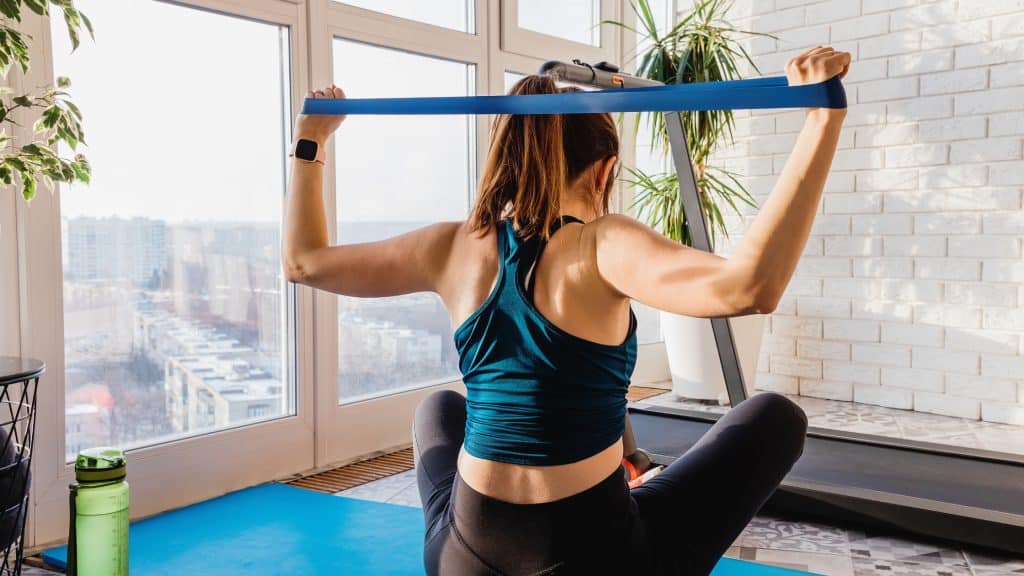
For those suffering from neck pain, performing pulls behind the head can be notably hazardous. This particular exercise may exert undue pressure on the neck muscles, causing distress and elevating the likelihood of an injury. The unnatural stance demanded by these pulls disrupts the stability of the neck and could provoke muscular imbalances.
Exercises such as front pulls provide a more secure option for engaging comparable muscle groups without jeopardizing the well-being of your neck. By choosing these alternatives, it’s possible to fortify your muscles while mitigating any significant risk associated with strain or stress on your neck that comes with behind-the-head pulls.
Overhead Presses
Exercises such as overhead presses might aggravate neck pain, especially since they require extending the head backward to allow room for the arms. This action increases pressure on the neck muscles and can result in discomfort.
To minimize strain on the neck, front shoulder raises offer a better option compared to overhead presses. They serve to fortify the shoulder muscles while safeguarding against harm to the neck area.
Recommended Resistance Band Exercises for Neck Pain Relief
Exercises that employ a resistance band can alleviate neck pain and boost the health of your neck. Utilizing an elastic band for strength training serves as an effective remedy to ease discomfort in the cervical region while also bolstering the endurance of neck muscles.
Beneficially, these exercises are simple to execute, offer adjustable levels of resistance, and are conveniently portable, allowing them to be performed at home or in the workplace. They improve the range of motion in the neck and aid in rectifying forward head posture, leading to improved overall posture and enhanced health of the neck.
Scapular Retractions
Scapular retractions serve as an effective remedy for tension in the neck. They specifically aim at strengthening the muscles of the upper back, which plays a critical role in rectifying both rounded shoulder and forward head postures.
Executing scapular retractions entails drawing your shoulder blades together and downward while maintaining bent elbows and an elevated chest. This action fortifies the muscles surrounding that area, thereby diminishing strain on the neck and enhancing general posture alignment.
Lateral Band Walks
Engaging in lateral band walks can aid in alleviating neck pain. By activating the gluteal muscles and bolstering hip stability, this exercise indirectly contributes to the well-being of the neck.
To avoid injury during lateral band walks, it’s crucial to keep a modest bend at the knees while ensuring your posture is upright. Utilizing padded ankle straps can increase both comfort and support, thereby enhancing the efficacy and pleasure derived from performing this exercise.
Additional Tips for Reducing Neck Pain
To tailored exercises, various other methods can help diminish neck pain. Introducing short periods of activity during the day can lessen stress and tension within the neck area. Should any exercises exacerbate your neck pain, it’s advisable to seek advice from a physical therapist.
Effective management of neck pain often requires making ergonomic improvements, taking frequent pauses for rest, and engaging in stretching regimens. Implementing these habits can greatly reduce discomfort and enhance the health of your neck.
Ergonomic Adjustments
Ergonomic practices in your workspace can greatly alleviate neck strain. Proper desk setup, including monitor height and chair support, helps maintain good posture and reduce neck pain.
Warm-up and cool-down segments in your exercise routine reduce tension in neck muscles and prevent stiffness.
Regular Breaks and Stretching
Taking periodic rests while engaging in resistance band exercises can help avert neck stiffness and diminish the likelihood of experiencing pain. These brief intermissions allow your neck and shoulders to relax, which relieves any unease and wards off muscle strain.
Adding stretching sequences into your regimen boosts flexibility and lessens tightness around the neck when utilizing a resistance band. Initiating warm-up procedures before starting exercise, as well as cool-down methods post-exercise, are highly effective in minimizing both neck discomfort and rigidity.
When to Seek Professional Help
It’s essential to understand the appropriate time to consult a healthcare professional for neck pain in order to ensure effective treatment and healing. If you experience intense neck pain following an injury, it is critical that you obtain immediate medical care. If your neck pain continues without improvement despite self-care efforts over a few weeks, it’s important to see a healthcare provider.
Acknowledging the need for medical assistance when experiencing persistent or escalating symptoms of neck pain can facilitate proper management and recuperation. Should your condition not subside or if it deteriorates over time, promptly seeking professional advice is advised.
Persistent or Severe Pain

Continual or intense pain in the neck could indicate deeper problems that necessitate a professional assessment. Activities such as overhead pressing motions often involve extending the head, which can aggravate existing neck discomfort among those prone to it.
Taking immediate action when experiencing these symptoms is crucial for preventing additional injury and securing appropriate treatment. Should you suffer from ongoing or acute neck pain, it’s important to seek advice from a healthcare professional who can provide an accurate diagnosis and formulate a suitable treatment strategy.
Consulting a Physical Therapist
A physical therapist is equipped to create tailored exercise regimens and offer successful strategies for managing pain. They assist in correcting posture and technique during neck exercises, which promotes safety and lessens the likelihood of experiencing neck pain.
Seeking advice from a physical therapist can greatly enhance the health of your neck and contribute positively to your overall well-being. If you require aid in dealing with neck pain, do not delay in obtaining professional assistance.
Summary
It is essential to comprehend the origins and potential hazards that could lead to neck pain when using resistance bands, as this knowledge plays a significant role in injury prevention and guarantees a secure exercise regime. Ensuring you adopt the correct posture, choose an appropriate level of resistance for your ability, and diligently perform warm-ups before exercising and cool-downs afterward will facilitate reaping the advantages offered by exercises involving resistance bands without exposing yourself to neck discomfort.
To Minimize neck strain during your workout regimen with resistance bands, steer clear of high-risk movements like pulls behind the head or overhead presses. Instead favor more conservative options. Making ergonomic improvements along with scheduling frequent intervals of rest can also contribute significantly to alleviating any pain in your neck. Should the symptoms continue or become more severe over time, promptly seeking advice from medical experts such as healthcare professionals or physical therapists is highly recommended.
Frequently Asked Questions
What are the common causes of neck pain when using resistance bands?
Common causes of neck pain when using resistance bands are poor posture, muscle imbalances, and improper band positioning.
Addressing these factors can help prevent discomfort during your workouts.
How can I prevent neck pain while using resistance bands?
To prevent neck pain while using resistance bands, it is essential to maintain proper posture, choose an appropriate resistance level, and include warm-up and cool-down routines in your workouts.
These practices will help ensure a safer and more comfortable exercise experience.
What exercises should I avoid if I have neck pain?
Exercises like pulling behind the head and overhead presses should be avoided since they can exacerbate neck pain.
Focusing on exercises that avoid putting stress on the neck will aid in a more effective recovery.
What are some recommended resistance band exercises for neck pain relief?
Scapular retractions and lateral band walks are recommended resistance band exercises that effectively relieve neck pain. Incorporating these into your routine can significantly enhance your neck mobility and comfort.
When should I seek professional help for neck pain?
You should seek professional help for neck pain if it follows a traumatic injury or if it persists without improvement after several weeks of self-care.
Timely intervention can prevent further complications.