What is Spinal Stenosis?
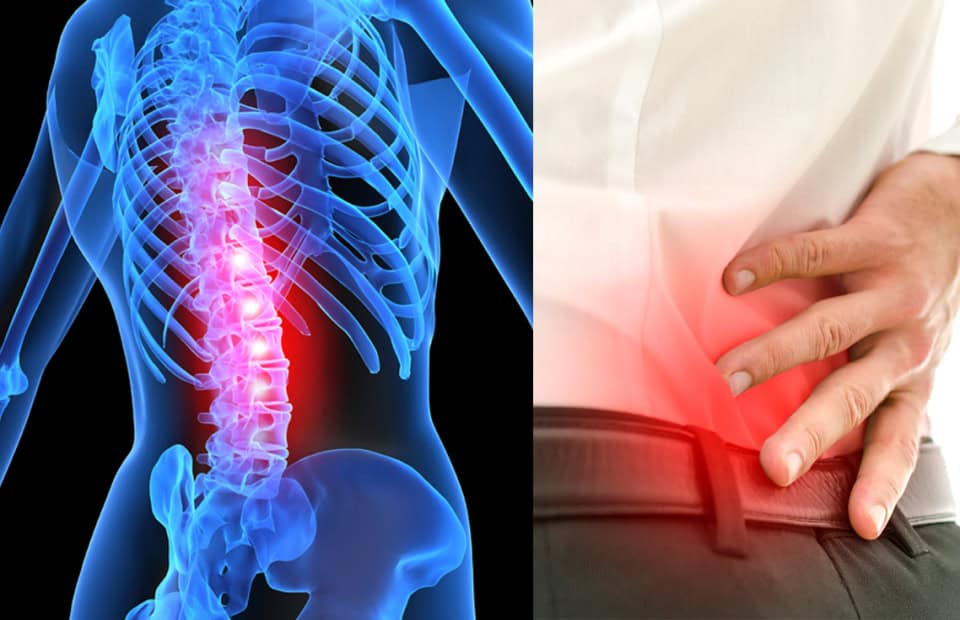
Spinal stenosis is the narrowing of the spinal canal, which places pressure on the spinal cord and the nearby nerves. When this narrowing happens, it can cause several symptoms, such as pain, numbness, and reduced mobility. This often worsens over time without treatment.
Lone Star Spine and Pain Institute is dedicated to diagnosing and treating spinal stenosis so you can stop suffering and get back to enjoying a good quality of life!
Understanding Spinal Stenosis: Anatomy and Function
The spinal cord is protected in the spine, the central back support structure of the body, which also makes movement possible. Spinal stenosis is a condition in which the small spinal canal narrows because of degenerative changes or structural abnormalities.
- Small Spinal Canal and Bone Structure: A narrowed spinal canal can be the result of aging, injury, or congenital factors, it reduces the space allotted to nerves and even the spinal cord.
- Pressure on the Nerves and Nervous System: It can cause the pressure to produce pain, tingling, or weakness and that can limit daily activities.
Types of Spinal Stenosis
Spinal stenosis can occur in different regions of the spinal cord:
Cervical Spine Stenosis
It occurs in the neck area, where it may also produce pain and weakness in the arms, hands, or whole body.
Thoracic and Lumbar Spine Stenosis
Although rare, it can affect the mid-back region and nerves. It can also disturb the mobility.
Lumbar Spinal Stenosis
Lumbar spinal stenosis is the most common form which affects the lower back and causes pain in the leg, numbness, or sciatica.
Common Symptoms of Spinal Stenosis
Symptoms of Spinal Stenosis vary depending on the severity and location of the condition but may include:
- Burning Pain and Numbness: Continued back, arm, or leg pain or tingling.
- Sciatic Nerve and Leg Pain: Pain traveling down one or both legs, often with lumbar spinal stenosis.
- Bladder and Sexual Function Issues: In severe situations, the condition can interfere with normal bladder control or sexual function.
- Symptoms by Severity: Pressure on the nerve roots can result in mild discomfort, to the point of severe mobility difficulties depending on how much the pressure is.
Causes of Spinal Stenosis
Several factors contribute to the development of spinal stenosis, such as:
Aging-Related Changes and Degenerative Disorders
Over time, the spinal canal can become narrowed with wear and tear. These are the most prominent symptoms of aging and degenerative disorders.
Herniated Disk and Thickened Ligaments
Pressure can be caused by a protrusion of disk material or thickened ligaments into the spinal canal which causes spinal stenosis.
Congenital Stenosis and Paget’s Disease
In this issue, the narrower spinal canal can result from a genetic predisposition or a bone disease.
Bone Spurs and Bone Changes
Bone spurs or bone changes like arthritis can cause an overgrowth of bone that can encroach on the spinal canal and cause Spinal stenosis.
Diagnosing Spinal Stenosis at Lone Star Spine and Pain Institute
Our team uses advanced diagnostic methods to accurately identify spinal stenosis. Here is how things work at Lone Star Spine and Pain Institute:
Comprehensive Medical History and Physical Exam
- Bend Forward Test: Our team of experts evaluates how relief occurs when leaning forward, a hallmark of spinal stenosis.
- Relieving Symptoms Through Leaning Forward: The experts assess the pain, numbness, and mobility of symptoms.
Imaging Tests and Advanced Diagnostics
- Magnetic Resonance Imaging (MRI): This technique can detect soft tissue changes, i.e. a herniated disk or nerve compression in the spinal canal.
- Computed Tomography (CT): It provides detailed images that detect the narrowing or damage of bone structures.
Treatment Options for Spinal Stenosis
At Lone Star Spine and Pain Institute, we offer a range of treatment options tailored to each patient’s needs:
Non-Invasive and Conservative Management
- You will receive physical therapy with licensed therapists and see significant improvement in your strength and mobility.
- We use nonsteroidal drugs and anti-inflammatory medications to reduce pain.
- Acupuncture or chiropractic care are alternative therapies available.
- The most extreme measure in severe cases is going to be epidural steroid injections to give localized relief to the patient.
Surgical Interventions
- Spinal Fusion Surgery and Its Surgical Risks: Stabilizes the spine and treats narrowing with the help of surgery.
- Relieve Pressure with Decompression Procedures: Removes bone spurs or thickened ligaments which relieves pressure on the nerve roots.
Lifestyle Adjustments and Self-Care for Spinal Stenosis
Lifestyle changes can complement medical treatments to manage spinal stenosis effectively. Here is what you can do:
Targeted Exercises
Work the lower spine and the lumbar.
Reduce Inflammation
Techniques such as cold therapy and anti-inflammatory diets help to ease symptoms.
Symptom Management
Gentle stretching and remaining active are encouraged to help function.
Advanced Pain Management Techniques
- New latest ways to control pain and inflammation.
- Use of targeted care to manage your symptoms without enduring lots of surgery to relieve pain.
Why Choose Lone Star Spine and Pain Institute for Spinal Stenosis Treatment?
Patients trust Lone Star Spine and Pain Institute for our expertise and comprehensive care for all the right reasons:
Collaboration with Orthopaedic Surgeons and Therapists
Collaboration with orthopedic surgeons and physical therapists for a complete cure with the help of customized physical therapy plans for Spinal stenosis.
Focus on Relieving Pressure and Pain Relief
We focus on minimally invasive procedures that relieve pressure and give much-needed pain relief caused by the narrowing of the spinal. Physical therapy, medications, and minimally invasive procedures can effectively control pain and improve quality of life.
Expertise in Degenerative Disorders and Spine Surgery
We have extensive experience in degenerative disorders and spine surgery.
Common Questions Spinal Stenosis
Aging, degenerative changes, and structural abnormalities are common contributors to spinal stenosis.
Physical therapy, medications, and minimally invasive procedures can effectively control pain and improve quality of life.


