What is Sciatica? Understanding the Basics
Sciatica is a painful disorder resulting from irritation or compression of the sciatic nerve, the largest nerve in the human body. It is a nerve that starts in the lower back, passes through the hips, buttocks and splits down the middle of both the legs and the feet. This large nerve supplies muscles and skin in the lower part of the legs and is vital for regular function of the legs.
If the sciatic nerve is compressed or inflamed, or the nerve roots that feed into it are compressed or irritated, by a herniated disc, bone spur, or spinal stenosis, the symptom is shooting pain that shoots down one leg. This pain can be stabbing like an electric shock, or a throbbing ache and could be associated with some tingling, numbness or even muscle weakness.
Sciatica is a common problem treated at the Lone Star Spine and Pain Institute and we offer the best sciatica treatment. Members of our team understand the causes of sciatica and the symptoms that associate with the condition including nerve impingement and spinal alignment thus giving us an edge in offering appropriate therapies depending on the condition of the patient.
Causes of Sciatica: What Triggers Sciatic Nerve Pain?
It is against this backdrop that knowledge of the causes of sciatica becomes very important in the management of sciatica pain relief. Here are the common triggers:
Herniated Disks: Pain can be caused when a disk in the spine is bulging or ruptured and thus applies pressure on the sciatic nerve.
Spinal Stenosis: Conditions that cause spinal stenosis, which is the constriction of the spinal canal and places pressure on the nerves especially the sciatic nerve.
Bone Spurs: Abnormal growths along the spine may compress the sciatic nerve root and thus cause some pain.
Risk Factors for Sciatica
There are some factors that can predispose an individual to sciatica; they include the following. Sitting for a prolonged period, for instance while working at a desk or while in the car, puts pressure on the lower back and thus prone to problems.
Low back pain and other spinal dysfunctions are also typical leading symptoms that cause alterations in the position of the body which affects the sciatic nerve. Age is also a factor in sciatica because spinal discs wear out as people age, making it easier for nerves to become compressed.
At Lone Star Spine and Pain Institute, it is important to pinpoint these risk factors early enough to give prevention treatment to avoid the situation where sciatic pain worsens. The team at our facility is ready to assist you to overcome your pain by getting to the source of the problem.
Recognizing Symptoms for Sciatica Pain Relief
Sciatica demonstrates multiple symptoms that can differ by severity and effect. Silent and less apparent signs should be recognized early to help in management and for sciatica pain to be alleviated. Here’s an overview of the most common symptoms associated with sciatica:
Sharp, Radiating Pain
Increased Pain with Movement
Changes in Bowel or Bladder Control
Burning or Tingling Sensations
Muscle Weakness
Back Pain and Leg Weakness
Sciatica is a medical condition that is well understood by our pain specialists. We believe that through our experience, we can diagnose the problem correctly and, therefore, provide a customized approach to help you regain your quality of life in the long run.
Diagnosing Sciatica at Lone Star Spine and Pain Institute
While at the Lone Star Spine and Pain Institute, we take our time to diagnose the sciatica and its causes to determine the best way to treat it.
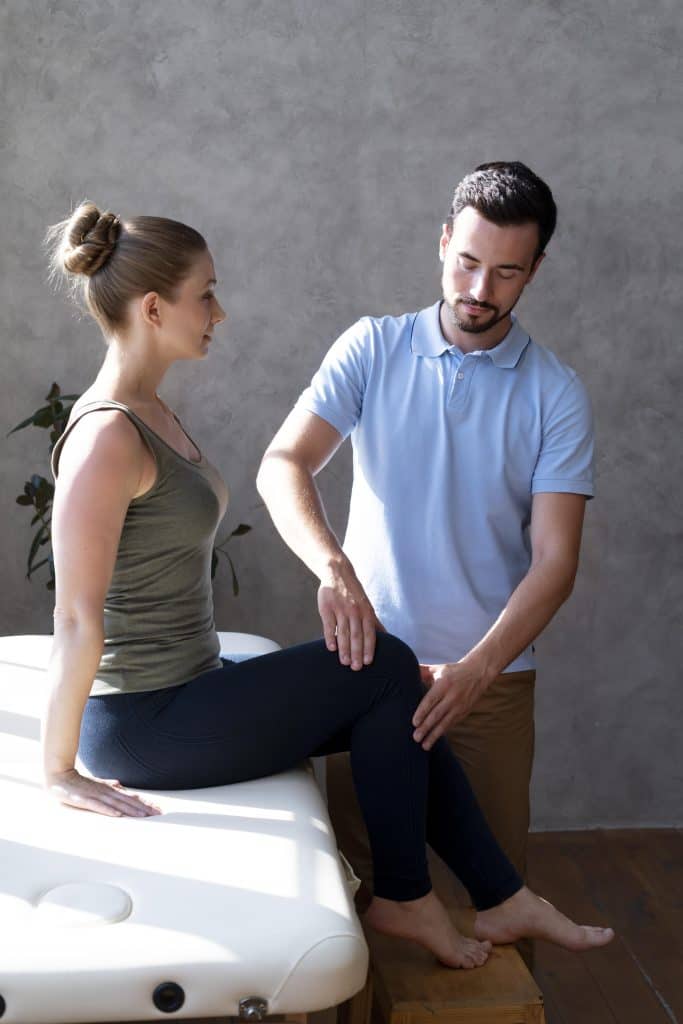
Physical Examination: Our specialists start with the physical examination of the patient and take into consideration the areas of pain, mobility and muscle power.
Straight Leg Raise Test: This test helps in confirming sciatica by lifting the leg taken with the other hand while the knee is straight. Pain felt during this movement is considered to be a sciatica sign.
Imaging Tests (MRI, CT Scans): Possible causes regarding the injury are searched with the help of such techniques, as MRI. These images help to get an understanding of the structure of the spine and determine which section needs an intervention.
Lone Star’s strength is getting the diagnosis of conditions such as lumbar spinal stenosis or lumbar radiculopathy. This is why our approach can help in diagnosing the nerves damage in a very efficient way.

Sciatica Treatment Options at
Lone Star Spine and Pain Institute
Physical Therapy
Steroid Injections
Alternative Therapies
Self-Care Measures
Surgical Options
Lone Star is not just an orthopedic clinic but allows for cooperation with an orthopedist, neurologist, and a physical therapist to develop an individual program for the patient.
Lifestyle Adjustments and Preventive Tips for Managing Sciatica
Some cases of mild sciatica can be taken care of with ease through changes in lifestyle and some general care tips. Here are some effective ways to reduce discomfort and future risk:
- Self-Care Treatments: Heating pads and cold packs are useful tools in managing pain and relieving inflammation and they should be used more often. Simple back and hamstring stretch exercises help relieve pressure around the sciatic nerve.
- Stay Active: Moderate aerobic walking or swimming for example helps counteract periods of inactivity, which tend to worsen sciatica. Not to stay seated for long hours in order to reduce strain on the back muscles for the lower region.
- Good Posture and Core Strength: Prevention of straining of the spine can be attained by correct positioning when sitting, standing or lifting. Developing the muscles in the lower half of the torso specifically the core and the back muscles prevents further back problems.
- Healthy Weight: By keeping an ideal weight, the pressure on your spine is reduced thus supporting long-term management of sciatica.
Potential Complications and When to Seek Help
If sciatica does not receive adequate treatment, some forms of it may potentially cause severe complications involving regular functioning and general wellbeing. Recognizing when to seek help is key to avoiding these issues:
Potential Complications: Sciatica can complicate if left unattended; in the worst case, it might result in permanent nerve damage, constant muscle atrophy, or even loss of bowel or bladder control and thus needs urgent treatment.
When to Seek Help: The patient should consult a doctor if they feel they have severe leg weakness, they have nerve pain that is severe or is getting worse and not getting any better with use, or have bladder or bowel changes.
This is why Lone Star Spine and Pain Institute offer comprehensive care for these conditions before they progress. Our team is capable of avoiding such conditions and making the patient search for long-lasting comfort for overall well-being.


