Nerve Pain Relief and Treatment Options
At Lone Star Spine and Pain Institute, we help patients find relief from the debilitating effects of nerve pain through compassionate, patient-centered care. Nerve pain, or neuropathic pain occurs when nerves are damaged or disrupted. This pain can range from sharp, intense sensations to chronic, burning, or tingling feelings that impact your day-to-day life and overall quality of life.
Our team understands the toll that unmanaged nerve pain can take, and we’re here to help. Through a personalized approach that includes advanced nerve pain treatment options, we aim to maximize our patients’ pain-free days and improve their lives.
Understanding Nerve Pain: Causes and Symptoms
Nerve pain, or neuropathic pain, can make even the simplest tasks challenging. At Lone Star Spine and Pain Institute, we believe that understanding nerve pain—how it starts, why it happens, and what it feels like is essential to finding effective nerve pain relief.
Nervous System Basics
Our nervous system has two main parts:
- Central nervous system
- Peripheral nervous system.
Causes of Nerve Pain
Nerve pain can have many causes, some of the most common being:
- Medical Conditions: Over time, some medical conditions, such as diabetic neuropathy, can harm nerves. Painful nerve symptoms can also be caused by infections like herpes zoster (shingles) and autoimmune diseases like chronic inflammatory demyelinating polyneuropathy (CIDP).
- Lifestyle and Environmental Factors: In addition to exposure to toxins, minor injuries that impact the nerves can also cause nerve pain. Pain can result from the immune system unintentionally attacking the nerves.
Symptoms of Nerve Pain
Although each person experiences nerve pain differently, common symptoms include:
- An hidden burning or tingling feeling
- Painful shocks that come on suddenly
- Your range of motion may be impacted by muscle weakness.
- Extreme sensitivity to touch or even a gentle breeze
Lone Star Spine and Pain Institute will develop a nerve pain treatment strategy by comprehending the causes and symptoms of nerve pain. Helping you manage your pain and return to an active, meaningful life is our aim.
Diagnosing Nerve Pain at
Lone Star Spine and Pain Institute
The diagnosis of nerve pain at Lone Star Spine and Pain Institute is unique and detailed. The treatment plan for nerve pain relief will depend on what could have caused the discomfort in the first place, and this is why we focus on finding this cause.
Step 1: Review of Medical History
Our process starts with taking a medical history of the client. We describe your signs, any medications you have taken in the past in relation to these nerve pains, and any underlying diseases that might be related to your current nerve pains. This assists us in getting a good understanding of your health history.
Step 2: Sign and Disease State Examination
Secondly, we pay attention to how your symptoms affect your functioning. Based on your current health and any other related conditions, we can find out what may be causing your nerve related pain.
Step 3: Blood Tests for Associated Diseases
In order to get a full picture we may suggest blood tests. These tests enable us to identify other conditions such as diabetes or nutrient deficiencies that may otherwise be causing nerve problems and give nerve pain.
Every action at Lone Star Spine and Pain Institute is to help move us closer to reaching a diagnosis that allows for constructing the best nerve pain treatment strategy for you.
Treatment Options for Nerve Pain at Lone Star Spine and Pain Institute
The following are the treatments that we have which are meant to help in bringing comfort and increase your well being.
- Medication Management: Pain is treated selectively using carefully chosen drugs and only when intractable, and always with a strict regime in place.
- Physical and Occupational Therapy: Muscle toning and enhancing of motion are some of the ways of managing nerve pains. Our therapists help you regain your mobility and improve your stamina.
- Minimally Invasive Procedures: Some ailments can be treated through spinal/ peripheral nerve stimulation or radiofrequency ablations and patients have long-term relief with short recovery periods.
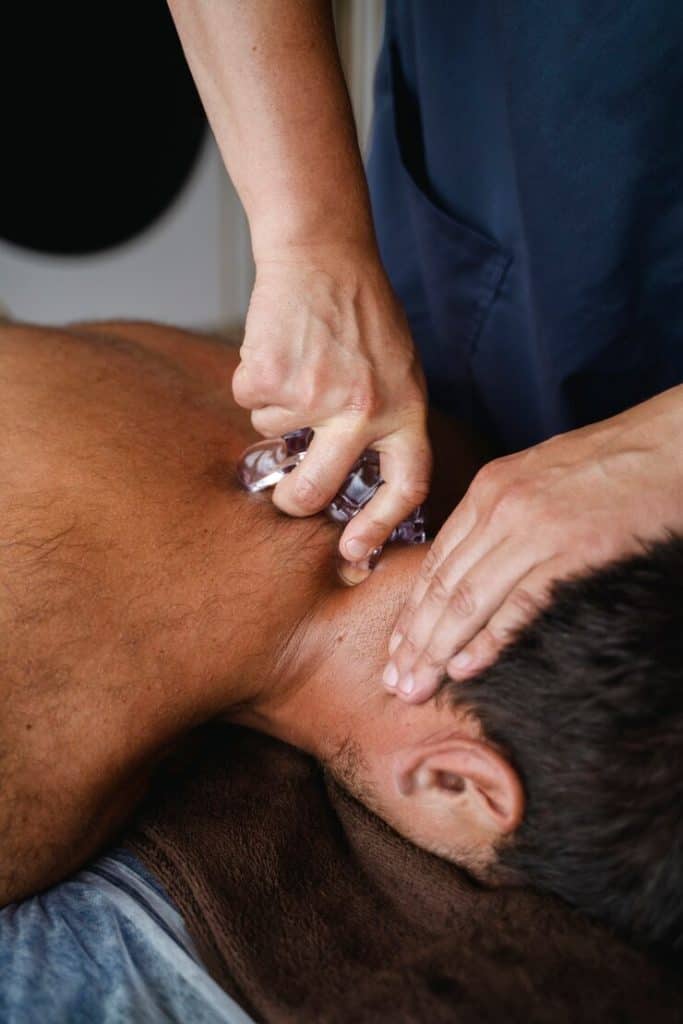
- Complementary Therapies: As you recover your health, we use both conventional and complementary medicine in order to minimize the chances of your pain coming back.
Lifestyle and Self-Care Tips for Managing Nerve Pain
Many of our patients at Lone Star Spine and Pain Institute understand that in addition to professional care, proper nutrition also plays a role in your recovery.
- Balanced Diet and Healthy Weight: Healthy diet also plays an important role for the well being of the nerves and for the overall well being of the body.
- Regular Exercise: Swing exercise is soothing and repetitive and this is helpful in strengthening the muscles and may also help alleviate nerve pains.
- Condition-Specific Tips: For people that have certain diseases for instance diabetes, we offer you advice on certain changes to be made in the lifestyle, to help minimize nerve pain.

Prevention Tips for Nerve Health
It is important to prevent nerve pain because anything that can be done to reduce nerve pain will go a long way in assisting you manage your day to day activities.
Here are some simple steps to help maintain healthy nerves:
Avoid Excessive Alcohol and Toxic Substances
You should avoid anything that can harm your nerves thereby protecting them.
Stay Active
This in turn helps to improve nerves, circulation and muscles with normal exercise being suggested to be carried out on a regular basis.
Regular Checkups
By getting annual checkups at Lone Star, any nerve complications will be identified early and treated to prevent becoming chronic.
Adopting these lifestyle and prevention guidelines will help plan for improvement of nerves and better quality life. Lone Star Spine and Pain Institute is here to take your hand and guide you through this perils of life.
Why Choose Lone Star Spine and Pain Institute for Nerve Pain Treatment?
Here at Lone Star Spine and Pain Institute, our team understands how nerve pain can be debilitating. Our goal is to help you find the solution to your discomfort. We are glad to invite you to our friendly family environment when you will definitely feel the care of our staff. Having the most advanced medical equipment and being located close to Austin, we ensure that your route to regret-free living is as easy as can be.
We have been offering many treatment options and developing the most effective treatment plans that helped many patients to find comfort and decrease their suffering. Their testimonies tell volumes about the impact that our team can have on your journey towards healing.
Take Control of Your Pain
Do not let nerve pain be the cause of your limited activities. Hear your body and take the first step towards relief by booking an appointment with Lone Star Spine and Pain Institute. We are here for you to develop a personalized rehabilitation program to ensure you get your life back on track as soon as possible.
Let us assist you regain your quality of life through quality, supportive care.
Answering Common Questions About Nerve Pain
You may have questions about your nerve pain and the most effective treatment options to help you manage it – and we are here to help. Here are answers to some frequently asked questions from our expert physicians at Lone Star:
Causes of nerve pain include diseases such as diabetes, infections, injuries or even medical conditions that affect the normal functioning of the immune system.
Comfort can be achieved by the use of a number of therapies that include; medication, physiotherapy, minimal invasive techniques and change in lifestyle.
We use state-of-the-art diagnostic methods, custom therapies and some of the best patient care in the region. In our team, we focus on the main reason for your discomfort and the further treatment that will be appropriate for you.
Physical therapy can increase muscle mass, improve an individual’s range of motion as well as decrease level of pain in the long run. They treat you with dignity and respect and develop with you a program of physical therapy.
To avoid worsening of nerve pain, it is recommended that you keep as active as possible, lead a healthy lifestyle and see our team for your periodic examinations.
Our diagnostic process starts with understanding your medical history. We take time to learn about your symptoms, past treatments, and any health conditions that may be contributing to your pain. From there, we may recommend blood tests to check for underlying conditions, such as diabetes or vitamin deficiencies, that can impact nerve health.
To get a closer look at nerve function, we use specialized tests designed to assess how well your nerves are working. These include electromyography (EMG) and nerve conduction studies, which measure electrical activity in the muscles and nerves. With these advanced tools, our team can accurately identify damaged or affected nerves.


