
Can carpal tunnel cause shoulder pain? The answer is yes. The median nerve affected by carpal tunnel runs from your neck to your hand, and its compression can lead to pain that extends to your shoulder. This article will cover how this happens, what symptoms to watch for, and the best treatments available.
Key Takeaways
- Carpal tunnel syndrome occurs when the median nerve in the wrist becomes compressed, leading to symptoms like tingling, numbness, and weakness in the hands and possibly affecting the shoulder through referred pain.
- The connection between carpal tunnel syndrome and shoulder pain is due to the median nerve pathway, which travels from the neck, through the shoulder, and down to the wrist, potentially causing discomfort in the shoulder as nerve compression radiates.
- Non-surgical treatments for carpal tunnel syndrome and associated shoulder pain include physical therapy, ergonomic modifications, wrist braces, medications, and lifestyle changes, with surgery considered when conservative treatments are insufficient.
Understanding Carpal Tunnel Syndrome

Carpal tunnel syndrome is a common condition that affects millions of people worldwide, with approximately 1 out of every 20 individuals in the United States experiencing its symptoms. This prevalent disorder occurs when the median nerve, which runs from your forearm to your hand through a narrow passageway in the wrist called the carpal tunnel, becomes compressed or irritated. The carpal tunnel is formed by bones and ligaments, creating a confined space through which the median nerve and several tendons pass.
The symptoms of carpal tunnel syndrome, also known as carpal tunnel symptoms, can be both uncomfortable and disruptive to daily life. Individuals often experience tingling, numbness, and weakness in their thumb and first three fingers. These sensations can be particularly noticeable when grasping objects or during sleep, sometimes manifesting as a feeling akin to electric shocks. Many people find themselves instinctively shaking out their hands to alleviate the discomfort. Without adequate treatment, carpal tunnel syndrome can result in irreversible nerve and muscle damage.
Several factors can increase the risk of developing carpal tunnel syndrome, including:
- Physical injuries, such as wrist fractures or dislocations can alter the anatomy of the wrist and put pressure on the median nerve
- Certain health conditions, including rheumatoid arthritis and diabetes
- Job-related factors, particularly for those engaged in repetitive wrist motions or using vibrating tools regularly
Comprehending these risk factors is key to both prevention and early intervention, which can substantially influence the progression of the condition and its potential to affect other body parts like the shoulder joint.
The Connection Between Carpal Tunnel Syndrome and Shoulder Pain

The link between carpal tunnel syndrome and shoulder pain might not be immediately apparent, but it’s rooted in the intricate network of nerves that connect our upper body. The median nerve, which is affected in carpal tunnel syndrome, originates from a group of nerve roots in the neck. It then travels through the shoulder and arm before passing through the carpal tunnel in the wrist and into the hand. This interconnected pathway explains why symptoms can manifest beyond the wrist and hand, potentially affecting the entire arm, including the shoulder.
One of the primary ways carpal tunnel syndrome can cause shoulder pain is through a phenomenon known as referred pain. In this case, the compression of the median nerve in the wrist can lead to discomfort that radiates up the arm to the shoulder. Interestingly, research suggests that approximately 75% of those experiencing shoulder pain cases could potentially be linked to carpal tunnel syndrome, making it a significant factor to consider when diagnosing shoulder discomfort. This connection emphasizes the need for a thorough approach to diagnosis and treatment, as concentrating only on the shoulder may miss the underlying carpal tunnel cause shoulder pain.
Moreover, the impact of carpal tunnel syndrome on shoulder pain isn’t limited to nerve-related issues. As individuals with carpal tunnel syndrome experience discomfort and weakness in their hands and wrists, they often unconsciously alter how they use their arms and shoulders to compensate. These changes in movement patterns and posture can lead to strain and pain in the shoulder over time.
Additionally, a condition known as double crush syndrome can cause pain that shoots from the neck through the shoulder and down into the wrist and hand. Certain motions, such as reaching overhead or behind the back, can exacerbate this shoulder pain, further complicating the relationship between carpal tunnel syndrome and shoulder discomfort.
Symptoms of Carpal Tunnel Syndrome Affecting the Shoulder

While carpal tunnel syndrome is primarily associated with symptoms in the wrist and hand, it’s important to recognize that in some cases, it can manifest symptoms that extend all the way up to the shoulder. The classic symptoms of numbness and tingling, typically experienced in the fingers and palm, can sometimes travel up the arm, reaching the shoulder area. This extension of symptoms can be particularly confusing for individuals who may not immediately connect their shoulder discomfort with a wrist condition.
In addition to the sensory symptoms, weakness is another hallmark of carpal tunnel syndrome that can affect the shoulder. As the condition progresses, individuals might notice symptoms like a decrease in strength not only in their grip but also in their arm and shoulder movements. However, it’s worth mentioning that when carpal tunnel syndrome impacts areas close to the wrist like the shoulder, the main symptom is usually pain rather than sensory disturbances. This pain can be quite intense, often described as an electric shock-like sensation that shoots up from the wrist to the shoulder and even to the neck. This referred pain pattern is a key indicator that shoulder pain might be linked to carpal tunnel syndrome, highlighting the importance of a thorough evaluation when experiencing upper body discomfort.
Diagnosing Carpal Tunnel Syndrome and Shoulder Pain

Accurate diagnosis of carpal tunnel syndrome, especially when it’s associated with shoulder pain, requires a comprehensive approach. The diagnostic process typically begins with a thorough physical examination. Doctors often employ specific tests such as Tinel’s sign, where tapping over the median nerve at the wrist produces a tingling sensation in the fingers, and Phalen’s maneuver, which involves holding the wrists in a flexed position to see if symptoms are reproduced.
Additionally, healthcare providers will check for thenar muscle atrophy, a sign of advanced carpal tunnel syndrome. These physical tests, combined with a detailed patient history, provide valuable initial insights into the condition.
However, to conclusively diagnose carpal tunnel syndrome and comprehend its potential impact on the shoulder, a nerve conduction study is vital. These tests document median neuropathy at the wrist and assess the severity of the condition, as well as evaluate nerve function. Nerve conduction studies (NCS) involve comparing sensory nerve conduction velocities between different nerves in the hand and wrist, as well as evaluating motor nerve distal latencies. These comparisons serve as diagnostic criteria for carpal tunnel syndrome.
The American Academy of Neurology recommends performing electrodiagnostic tests when the diagnosis of carpal tunnel syndrome is uncertain, as these tests can help classify the severity of the condition.
In some cases, particularly when symptoms are severe or extend significantly beyond the wrist, additional diagnostic tools may be employed. Needle electromyography (EMG), while not routinely required, can be valuable for differential diagnosis or lesion localization in complex cases involving affected nerves.
It’s worth noting that nerve conduction studies are recommended before any invasive procedures, such as surgical decompression or local corticosteroid injections, are considered. Furthermore, for patients undergoing conservative management, repeat nerve conduction studies can be useful for monitoring progress and adjusting treatment plans as needed.
This comprehensive diagnostic approach ensures that the true extent of the condition is understood, allowing for targeted treatment that addresses both carpal tunnel syndrome and any associated shoulder pain.
Non-Surgical Treatments for Carpal Tunnel Syndrome and Shoulder Pain

When it comes to managing carpal tunnel syndrome and associated shoulder pain, a range of non-surgical treatments can provide significant relief. Physical therapy stands at the forefront of these conservative approaches.
A skilled physical therapist can develop a customized rehabilitation plan aimed at reducing pain, improving range of motion, and building strength in the affected areas. These programs often include specific hand and wrist exercises designed to improve nerve conductivity and alleviate pressure on the median nerve.
Physical therapists may also incorporate techniques to address any compensatory shoulder movements that have developed as a result of carpal tunnel syndrome. Some common non-surgical treatments for carpal tunnel syndrome and associated shoulder pain include:
- Physical therapy
- Hand and wrist exercises
- Splinting
- Medications
- Ergonomic modifications
- Nerve gliding exercises
- Heat and cold therapy
- Massage therapy
These treatments can be highly effective in managing symptoms and improving overall function, as well as helping to relieve symptoms. However, it is important to consult with a healthcare professional to determine the most appropriate treatment plan for your specific condition.
Chiropractic care offers another avenue for non-surgical treatment. Chiropractors conduct thorough assessments of the entire arm, shoulder, neck, upper back pain, and cervical spine area to identify any misalignments or restrictions that may be contributing to the symptoms. Through targeted adjustments and manipulations, they aim to improve nerve conductivity and reduce pain throughout the affected regions. This holistic approach can be particularly beneficial for patients experiencing referred pain from the wrist to the shoulder.
For many individuals, the use of wrist braces or splints can provide significant symptom relief. Wearing a wrist brace at night or during activities that exacerbate symptoms helps keep the wrist in a neutral position, reducing pressure on the median nerve. This simple intervention can be especially effective in alleviating:
- nighttime symptoms
- pain and discomfort
- tingling and numbness
- weakness in the hand and fingers
It can also help prevent the progression of the condition.
Medication management is often an integral part of non-surgical treatment for carpal tunnel syndrome and associated shoulder pain. Nonsteroidal anti-inflammatory drugs (NSAIDs) such as loxoprofen or celecoxib can help reduce inflammation and provide pain relief.
In some cases, corticosteroid injections may be recommended for more targeted and potent anti-inflammatory effects. Additionally, simple home remedies like applying ice to inflamed areas can help reduce swelling associated with carpal tunnel syndrome. Alongside these treatments, patients are often advised to modify their activities, reducing forceful gripping and performing regular hand and wrist stretching exercises to manage symptoms effectively.
This multi-faceted approach to non-surgical treatment aims to provide comprehensive relief and prevent the need for more invasive interventions.
Surgical Options and Post-Operative Care
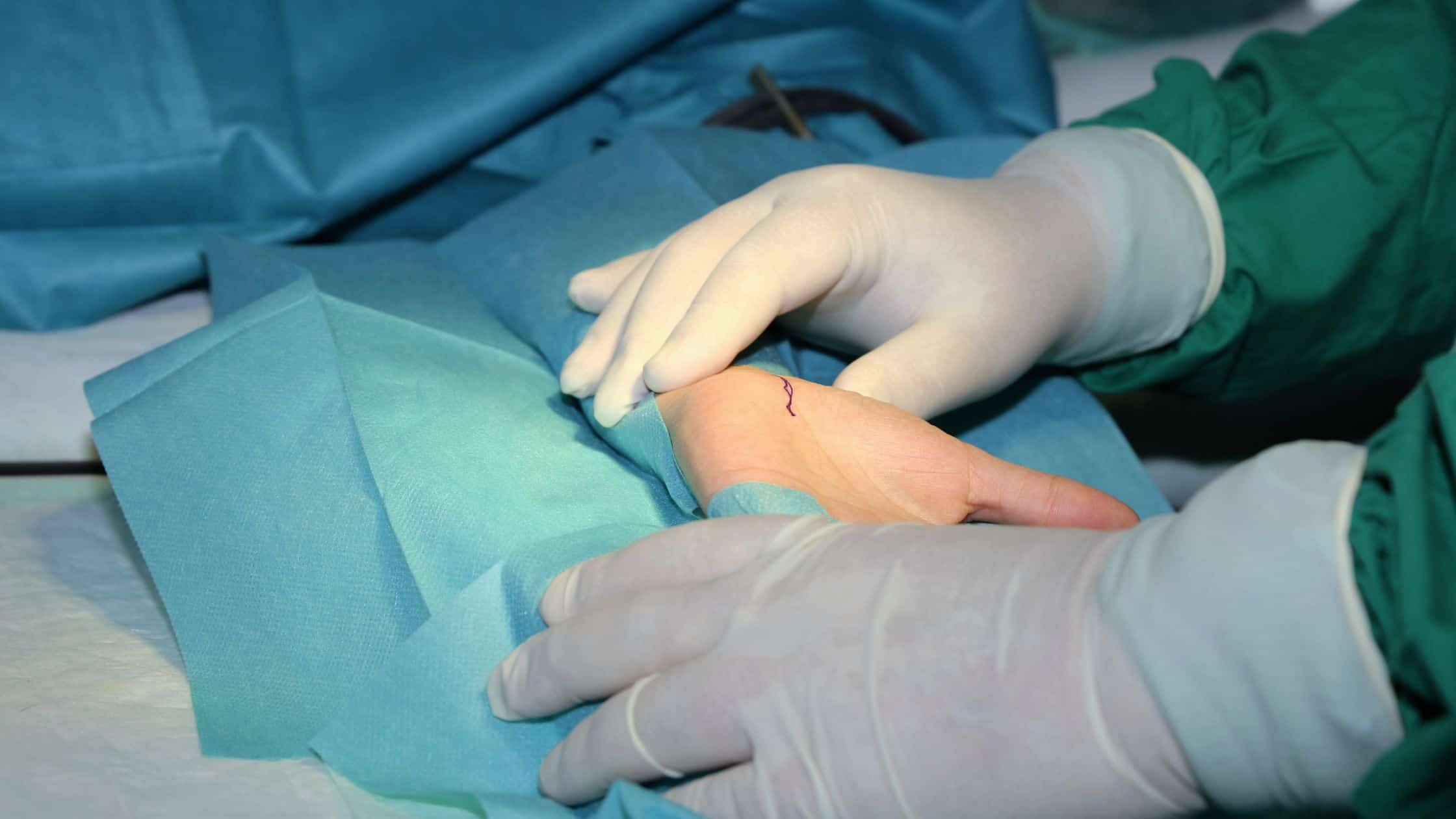
When conservative treatments fail to provide adequate relief from carpal tunnel syndrome and associated shoulder pain, surgical intervention may become necessary. The primary surgical procedure for carpal tunnel syndrome is known as carpal tunnel release. This operation involves cutting the ligament that forms the roof of the carpal tunnel, effectively relieving pressure on the median nerve. There are several approaches to this surgery, each with its own advantages.
One modern technique for carpal tunnel surgery is endoscopic carpal tunnel release, which utilizes a small camera inserted through a tiny incision in the wrist to guide the surgeon. Another innovative approach is ultrasound-guided carpal tunnel release, where an ultrasound device helps position a small probe in the carpal tunnel to direct the surgical process. These minimally invasive techniques often result in faster recovery times and less post-operative pain compared to traditional open surgery. However, bear in mind that all surgical procedures carry inherent risks, such as bleeding, infection, and potential harm to the median nerve or adjacent blood vessels.
Post-operative care is instrumental in the success of carpal tunnel release surgery. Recovery time can vary significantly, ranging from several weeks to several months, depending on factors such as the duration of nerve compression prior to surgery. Physical therapy is often a key component of post-operative care, focusing on improving wrist and hand movement and strengthening the affected area. Therapists may employ a variety of techniques and exercises tailored to the individual patient’s needs and recovery progress. This comprehensive post-operative care approach aims to maximize the benefits of surgery, restore function, and prevent recurrence of symptoms, including any associated shoulder pain.
Preventive Measures and Lifestyle Adjustments
Preventing carpal tunnel syndrome and its potential impact on shoulder pain involves a combination of ergonomic adjustments, lifestyle changes, and mindful habits. One of the most effective preventive measures is optimizing your workstation ergonomics. When using a keyboard, it’s essential to alternate hands and modify your posture to maintain your wrists in a neutral position. This simple adjustment can significantly reduce the strain on your median nerve and prevent the development of carpal tunnel syndrome.
Maintaining good overall posture during computer work and taking regular rest breaks are equally important. These breaks allow your muscles and nerves to recover from repetitive motions and static positions. Set reminders to stand up, stretch, and perform simple exercises for your hands, wrists, and shoulders throughout the day. Additionally, identifying and abstaining from activities that contribute to carpal tunnel syndrome can provide relief and allow tissues to heal.
Diet and weight management play a surprising role in preventing carpal tunnel syndrome. Maintaining an ideal weight through a balanced diet and regular exercise can help reduce the risk of developing this condition. A whole foods diet consisting of non-inflammatory foods is particularly beneficial. Here are some specific dietary recommendations:
- Eat foods rich in antioxidants, such as brightly colored vegetables, to help reduce swelling and inflammation associated with carpal tunnel syndrome.
- Incorporate omega-3 fatty acids found in cold water fatty fish like salmon to help alleviate symptoms.
- Consider adding pineapple to your diet, as it contains bromelain enzymes which can reduce swelling associated with carpal tunnel syndrome.
Lastly, certain lifestyle changes can have a significant impact on preventing carpal tunnel syndrome and associated shoulder pain. Increasing physical activity and exercise may reduce symptoms by improving overall circulation and muscle strength. For those who use tobacco, quitting is highly recommended, as nicotine reduces blood flow and can increase nerve sensitivity. By implementing these preventive measures and lifestyle adjustments, you can significantly reduce your risk of developing carpal tunnel syndrome and its potential to cause shoulder pain.
How Lone Star Spine and Pain Institute Can Help
At Lone Star Spine and Pain Institute, we understand the complex nature of carpal tunnel syndrome and its potential to cause shoulder pain. Our approach to treating these conditions is multi-disciplinary, centered around both pharmacologic and non-pharmacologic options. We believe in providing patient-centered, collaborative, and compassionate care, recognizing that each individual’s experience with chronic pain is unique.
Our team of highly skilled, board-certified physicians specializes in minimally invasive procedures that can provide significant relief for carpal tunnel syndrome and associated shoulder pain. These include advanced techniques such as spinal cord stimulation, peripheral nerve stimulation, and radiofrequency ablations. These procedures are designed to minimize downtime, allowing our patients to return to work and enjoy their favorite activities as quickly as possible. In addition to these interventional treatments, we also offer comprehensive medication management tailored to each patient’s specific needs.
Summary
In conclusion, the connection between carpal tunnel syndrome and shoulder pain is a complex but important aspect of upper body health. We’ve explored how the compression of the median nerve in the wrist can lead to symptoms that extend far beyond the hand, potentially causing significant discomfort in the shoulder.
Remember, prevention plays a key role in maintaining long-term hand, wrist, and shoulder health. If you’re experiencing symptoms of carpal tunnel syndrome, especially if they’re accompanied by shoulder pain, don’t hesitate to seek professional help. With the right care and management, you can regain comfort and functionality, allowing you to return to the activities you love without pain holding you back.
Frequently Asked Questions
Can carpal tunnel syndrome really cause shoulder pain?
Yes, carpal tunnel syndrome can cause shoulder pain due to the compression of the median nerve, which runs from the neck through the shoulder and down to the hand. Additionally, compensatory movements due to wrist discomfort can strain the shoulder, causing pain.
How is carpal tunnel syndrome diagnosed when shoulder pain is present?
Diagnosing carpal tunnel syndrome with associated shoulder pain involves physical examinations like Tinel’s sign and Phalen’s maneuver, along with nerve conduction studies to determine the extent of median nerve compression. Electromyography may also be used for a more comprehensive evaluation, especially if symptoms extend beyond the wrist.
What non-surgical treatments are available for carpal tunnel syndrome and associated shoulder pain?
Non-surgical treatments for carpal tunnel syndrome and associated shoulder pain include physical therapy with specific exercises, wearing wrist braces or splints, chiropractic care, and the use of anti-inflammatory medications. Lifestyle modifications, such as ergonomic adjustments and activity modifications, are also important.
When is surgery necessary for carpal tunnel syndrome, and how does it affect shoulder pain?
Surgery for carpal tunnel syndrome is necessary when conservative treatments don’t work or there’s severe nerve compression. The most common procedure, carpal tunnel release, can indirectly alleviate shoulder pain by addressing the root cause of nerve compression.
How can I prevent carpal tunnel syndrome and associated shoulder pain?
To prevent carpal tunnel syndrome and associated shoulder pain, maintain good posture, take regular breaks during repetitive activities, perform hand and wrist stretching exercises, and make ergonomic adjustments to your workstation. Additionally, consider adopting an anti-inflammatory diet, maintaining a healthy weight, engaging in regular exercise, and avoiding tobacco use. These measures can significantly reduce the risk of developing these conditions.


