Understanding Sciatica and Its Causes
Sciatica is when the sciatic nerve, which is the longest and widest nerve in the body, is irritated or compressed. It is a nerve that starts at the lower back, goes through the hips and down each leg, and is therefore important for movement and sensation in these parts.
Sciatica can develop and bring a variety of unpleasant symptoms ranging from mildly uncomfortable to unbearable pain, which makes a person incapable of normal day-to-day activities and mobility. Most cases of sciatica are caused by conditions that affect the lower back.
One cause of this is a herniated disc, which occurs when the soft, jellylike center of a spinal disc pushes through its tougher outer edge and pinches the sciatic nerve. But you can also develop lumbar spinal stenosis, a narrowing of the spinal canal, which puts pressure on the nerve roots. Piriformis syndrome is another common cause where the piriformis muscle in the buttock spasms or tightens, and irritates the sciatic nerve.
The symptoms of sciatica often indicate the cause. The pain usually causes a person to feel shooting or radiating pain that goes down into the leg, and sometimes numbness or tingling. It may also cause muscle weakness so you may have trouble walking or standing.
Knowing what causes and what symptoms to expect will help in diagnosing and treating sciatica.
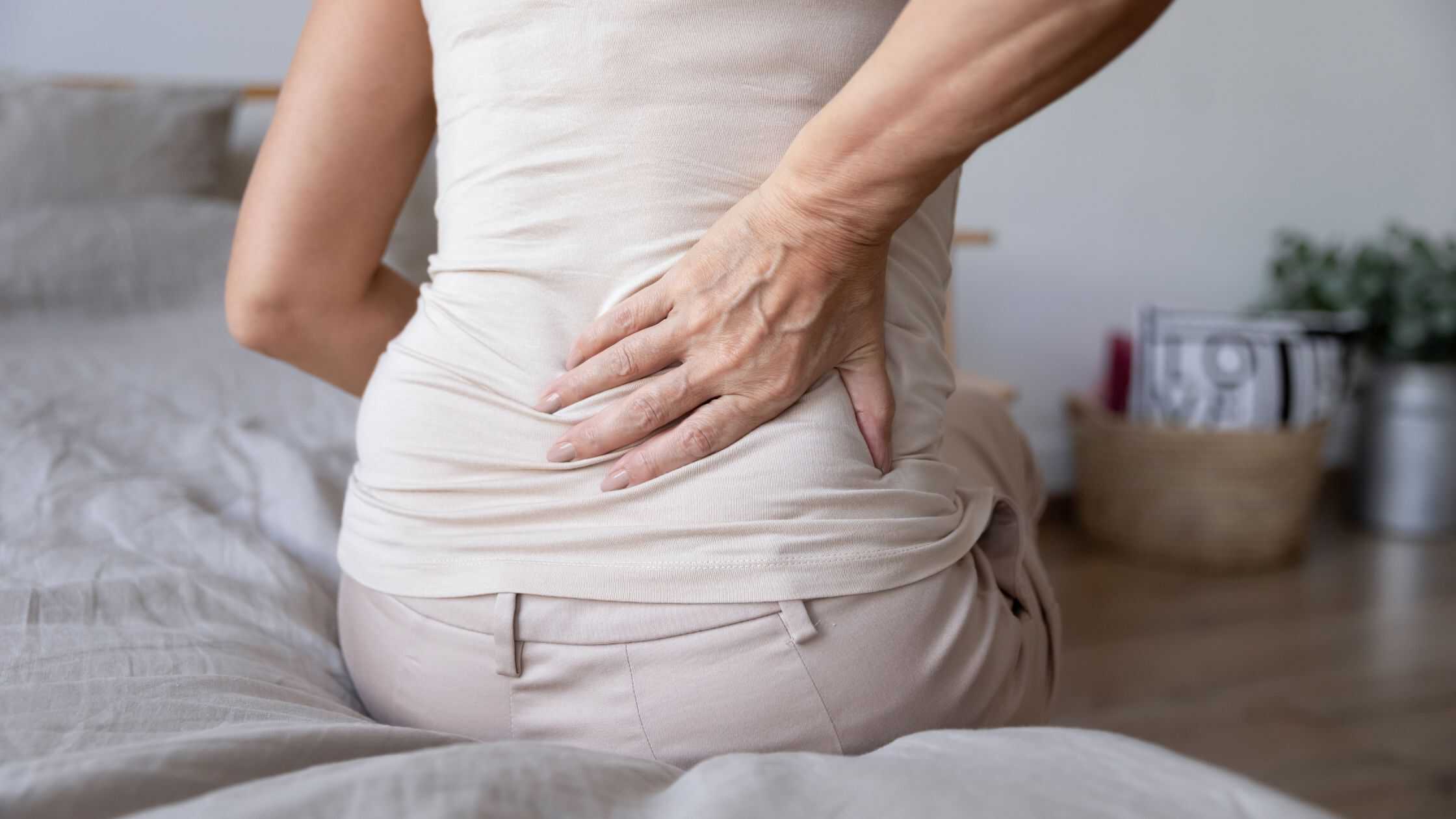
How a Back Brace Helps Sciatica Pain
Does a Back Brace Help Sciatic Nerve Pain?
A back brace offers a good way to manage sciatica by supporting the lower back and taking off some of the pressure on the sciatic nerve. It stabilizes the lumbar region and decreases strain and motion that would predispose the area to worsening the pain.
Targeted Compression and Relieving Pressure on the Sciatic Nerve
The back braces will provide you with targeted compression, therefore distributing pressure away from the affected area that could further trigger nerve irritation. It also compresses, which improves circulation. It also helps with inflammation and recovery from things like herniated discs or spinal stenosis.
Types of Back Braces for Sciatica Relief
There are different types of back braces made to help with sciatica pain. They work by offering support, compression, and improved alignment. The severity of the condition and personal needs dictate which brace to choose among the following:
Decompression Braces for the Lumbar Spine
Decompression braces work by gently stretching the spine to relieve pressure in the lumbar region. They free up the space between vertebrae and take pressure off the nerves so sciatica nerve pain is reduced. Herniated discs or spinal-based stenosis make these braces ideal for sciatic pain relief.
Sciatic Nerve Pain Braces with Adjustable Straps
The adjustable straps in these braces permit customizable compression and support at per user’s convenience. The lower back is stabilized and the pressure on the affected area is also controlled, making them versatile for different levels of sciatic pain.
Choosing the Right Back Brace for Temporary or Long-Term Relief
Lightweight and flexible braces are best when you want to be able to move around while easing discomfort. More robust braces, with specific lumbar support, could achieve better long-term management of leg pain. Talking to a healthcare provider can make sure the right choice for individual needs and lifestyles.
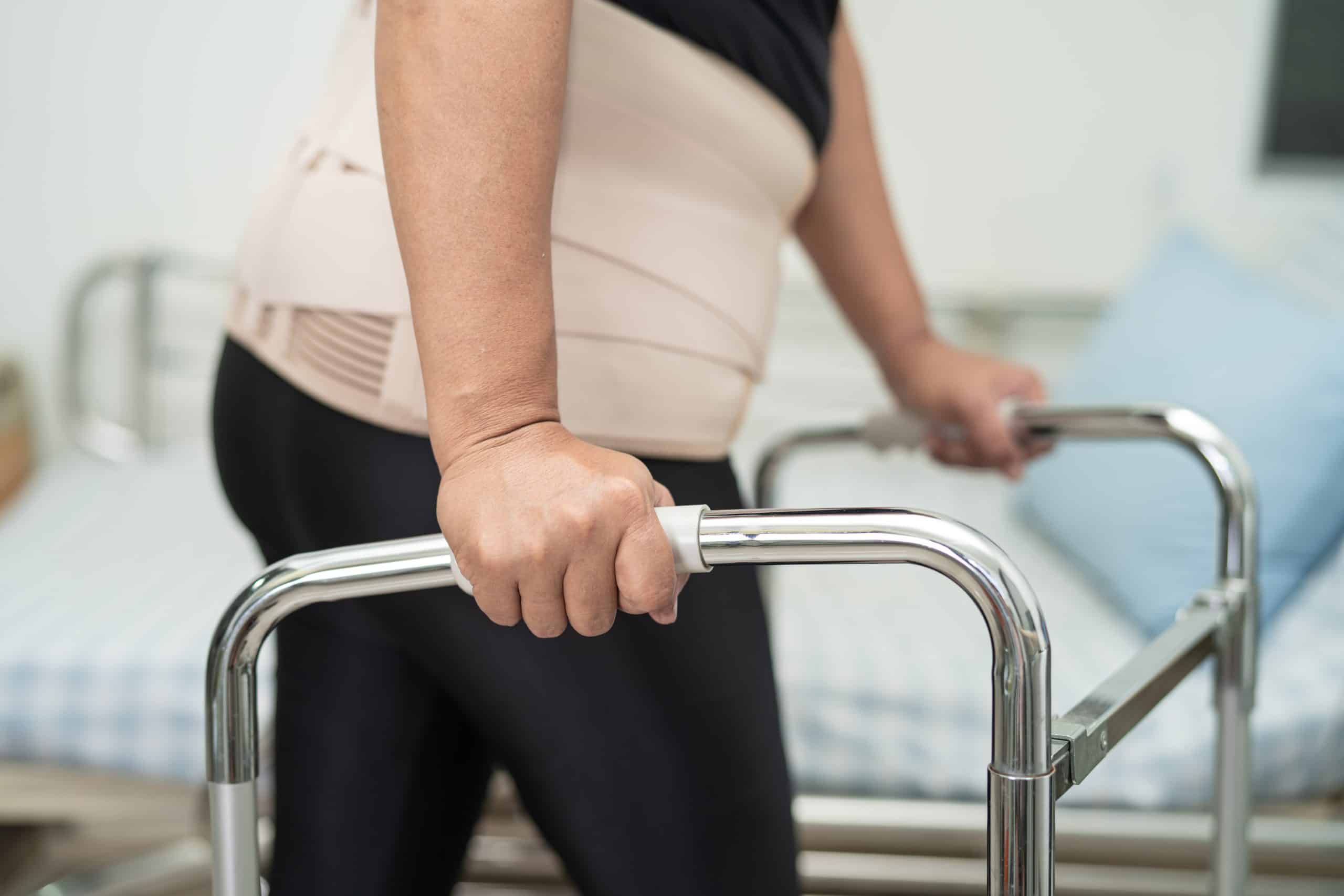
Benefits of Using a Back Brace for Sciatica
Here are the key advantages of using a back brace to relieve pain caused by sciatic nerve root:
Relieves Pressure on the Nerve Root and Affected Leg
Relieving pressure on the sciatic nerve root is one of the main benefits of a back brace. A brace stabilizes the lumbar spine, reducing strain on the lower back, and thereby relieving nerve irritation which causes leg pain. Reducing the pressure on it can greatly enhance your sleep comfort and mobility.
Stimulates Blood Flow and Reduces Pain in the Lower Back
Compression from back braces increases circulation in the lower back and is gentle. Blood flow helps in reducing inflammation and increasing healing in that area. This means that most people will see a noticeable decrease in sciatica symptoms like pain and stiffness and improved general functionality.
Provides Support for Individuals Suffering from Prolonged Periods of Sciatica Pain
A back brace provides much-needed support to those with chronic sciatica symptoms during their everyday activities. It decreases the workload of lower back muscles, therefore enhancing the poor postures, and also helps prevent further strain and discomfort. For those who spend hours standing, sitting, or repeating the same movements, this support can be a big help with a pinched nerve.
Potential Downsides of Back Braces for Sciatica
Back braces are great for relief, but they have their limits, such as:
Temporary Relief vs. Long-Term Solutions for Nerve Pain
For the most part, back braces simply help reduce symptoms by stabilizing the lower back and taking pressure off of the sciatic nerve. However, these don’t treat the root cause of sciatica, which is why it often needs physical therapy exercises or medical treatment.
Risks of Skin Irritation, Excessive Sweating, or Discomfort
Extended use of a back brace can lead to skin irritation, excessive sweating, or discomfort, especially if worn improperly. These issues can be mitigated by choosing a breathable, well-fitted brace.
Limitations of Braces for Treating the Underlying Cause
Other treatments are more effective when used in conjunction with braces. While they can’t fix structural problems like herniated discs, they shouldn’t be used as the only treatment method.
Back Braces in a Comprehensive Sciatica Treatment Plan
Back braces will increase in their effectiveness if used with a holistic approach to managing sciatica:
Combining Braces with Physical Therapy and Targeted Exercises
Physical therapy helps strengthen the core and lower back muscles so that eventually you can get away from needing a brace. These exercises are supported by braces during the recovery.
The Role of Massage Therapy and Sacroiliac Joint Care
Massage therapy and care of the sacroiliac joint can decrease the tension and increase the flexibility of the area further taking the pressure off of the sciatic nerve.
Importance of Physical Activity and Good Posture
Regular physical activity, along with good posture, helps prevent sciatica flare-ups and promotes general spinal health.
Working with a Healthcare Professional for Sciatica Relief
- Your physical therapist can create a plan for you that includes stretches, and strengthening exercises, and helps you choose when to wear a brace.
- Healthcare providers check on the fit and effectiveness of a brace to make sure it is giving the right support, but not too much so it hurts.
- With medical professional guidance, a total recovery is possible and a full treatment plan helps to treat symptoms and root causes.
Alternatives to Back Braces for Sciatica Pain Relief
There are more ways to relieve sciatica than just back braces. A well-rounded approach can be had by exploring alternatives like:
Physical Therapy Exercises
To reduce sciatic nerve irritation and provide long-term relief, exercises that strengthen the core as well as the lower spine improve stability.
Exploring Other Treatment Options
Extreme cases may need only nerve pain medications and decompression therapy to relieve the symptoms, although this also has the benefit of reducing inflammation and promoting healing.
Lifestyle Adjustments
A few simple changes, like optimizing the ergonomics at your workplace or including a few gentle stretches can help reduce pain and improve overall well-being.
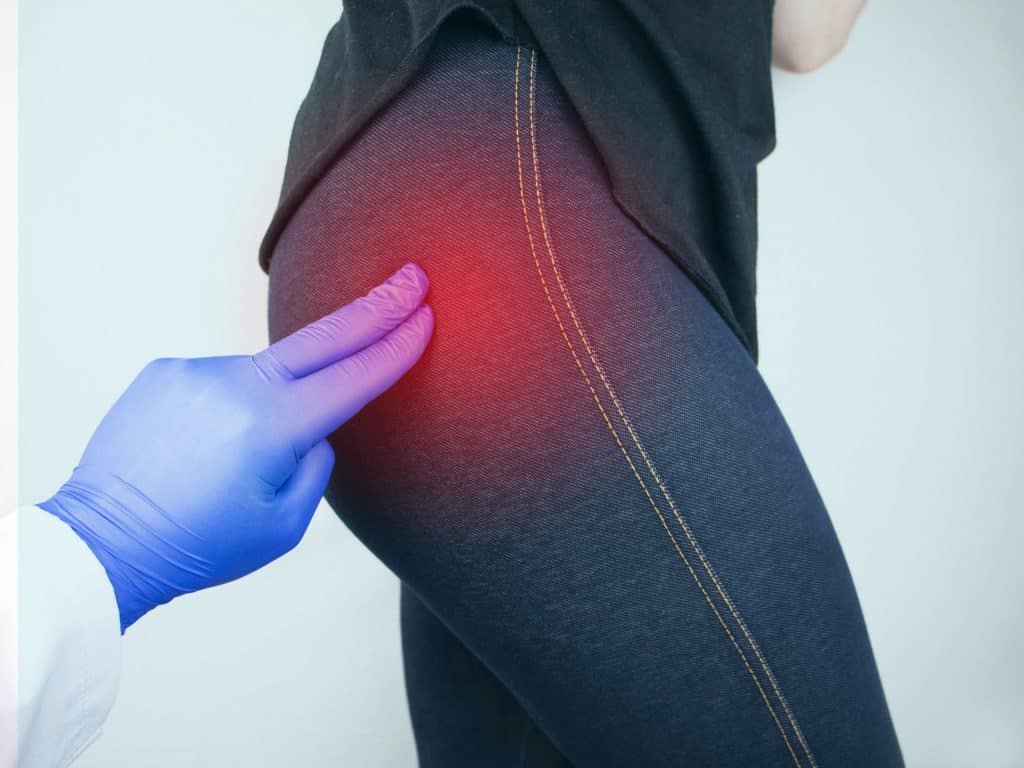
When to Consider a Back Brace for Sciatica Pain
Not all with sciatica require a back brace, but some circumstances do justify it, like:
Identifying Individuals Who Benefit Most
In particular, a back brace will be especially helpful for people who suffer from acute pain, limited mobility, or special conditions such as herniated discs.
Using a Brace Designed for Specific Needs
One-leg sciatica braces and long-term sciatica braces are braces made to relieve one-leg sciatica pain or long-term sciatica pain.
Enhancing the Recovery Process
A back brace can help give your body the support it needs to move around while healing.
The Final Verdict: Are Back Braces Effective for Sciatica?
Sciatica back braces are a great resource for caring for sciatica, but they are most effective when incorporated into an overall strategy. Back braces can give a lot of pain relief and support for many sciatica symptoms. But they don’t work as a standalone cure and must be used in combination with other treatments.
Braces are great for relieving symptoms, but most importantly it’s essential to treat what causes pain once and for all, by way of targeted therapy or change of habits. Long-term success in sciatica management comes from a combination of braces, exercise, therapy, and medical guidance.
FAQs about Back Braces and Sciatica
Q: Can a back brace completely cure sciatica?
A: A back brace gives temporary relief and support but doesn’t address the causes of sciatica. It should be in a comprehensive treatment plan.
Q: How long can I wear a back brace for sciatica?
A: Typically, a back brace can be worn for a few hours, but long-term use can lead to muscle weakening. Specific guidelines are advised by a healthcare provider.
Q: Are there side effects of using a back brace?
A: Wearing the brace too long may cause some people to experience skin irritation excessive sweating or discomfort.
Q: Can a back brace be used during physical activity?
A: Having a back brace that fits properly can give you support while you do things, but you need to keep good posture and listen to what a healthcare professional says.
Q: Are there alternatives to back braces for sciatica relief?
A: Sciatica pain can be reduced by physical therapy, targeted exercises, massage therapy, and medication.
Q: How do I know if a back brace is right for me?
A: If a back brace is something you think might help your condition, or help with your recovery goals, consult a healthcare provider or physical therapist.